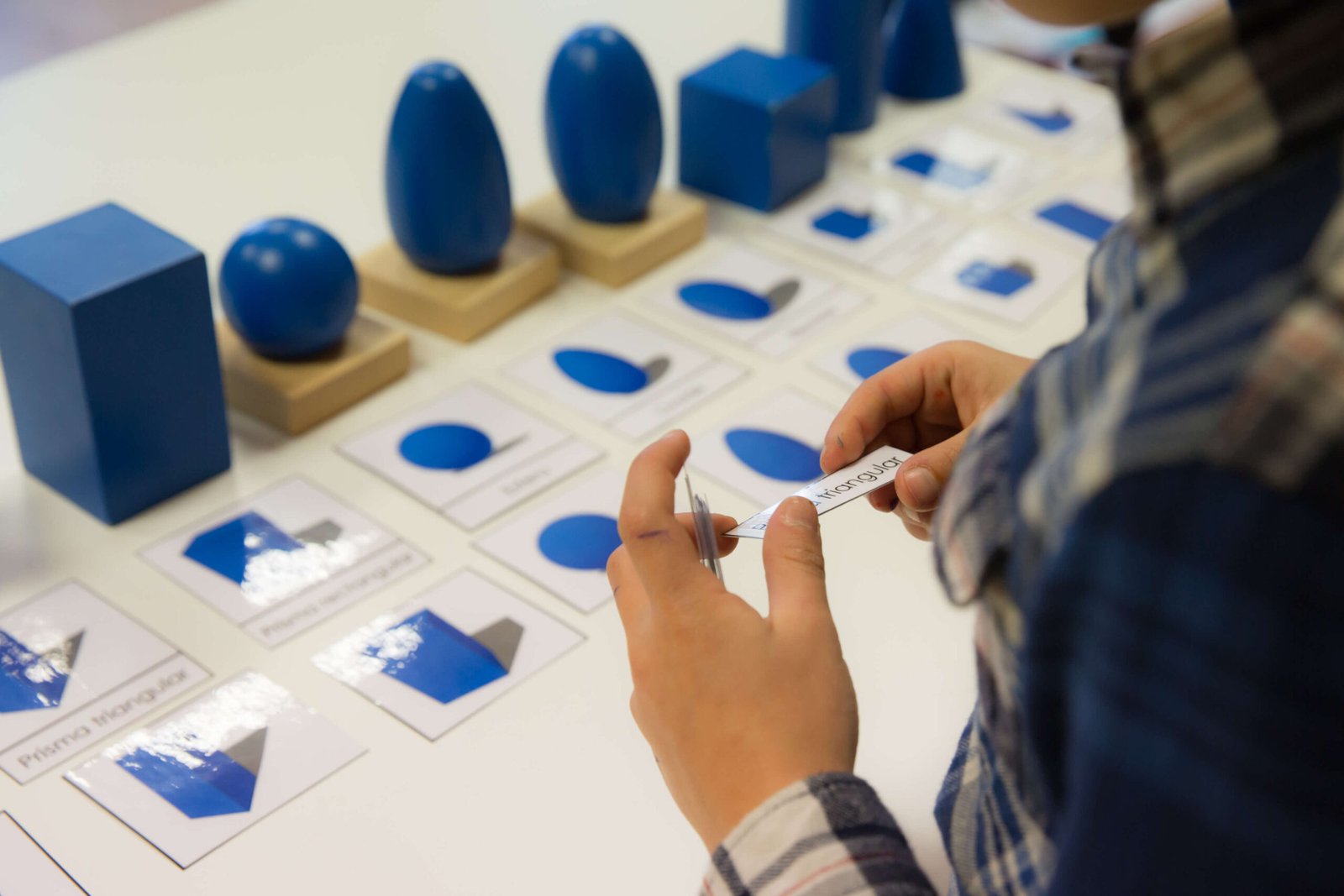
An educational approach created by Maria Montessori, validated by neuroscience, applied from nursery school to the baccalauréat.
«Let's not raise our children for today's world. That world will no longer exist when they grow up. And we have no way of knowing what kind of world theirs will be, so let's teach them to adapt.»
At Montessori International Athena, from kindergarten to baccalaureate, we respect the main principles of Montessori education
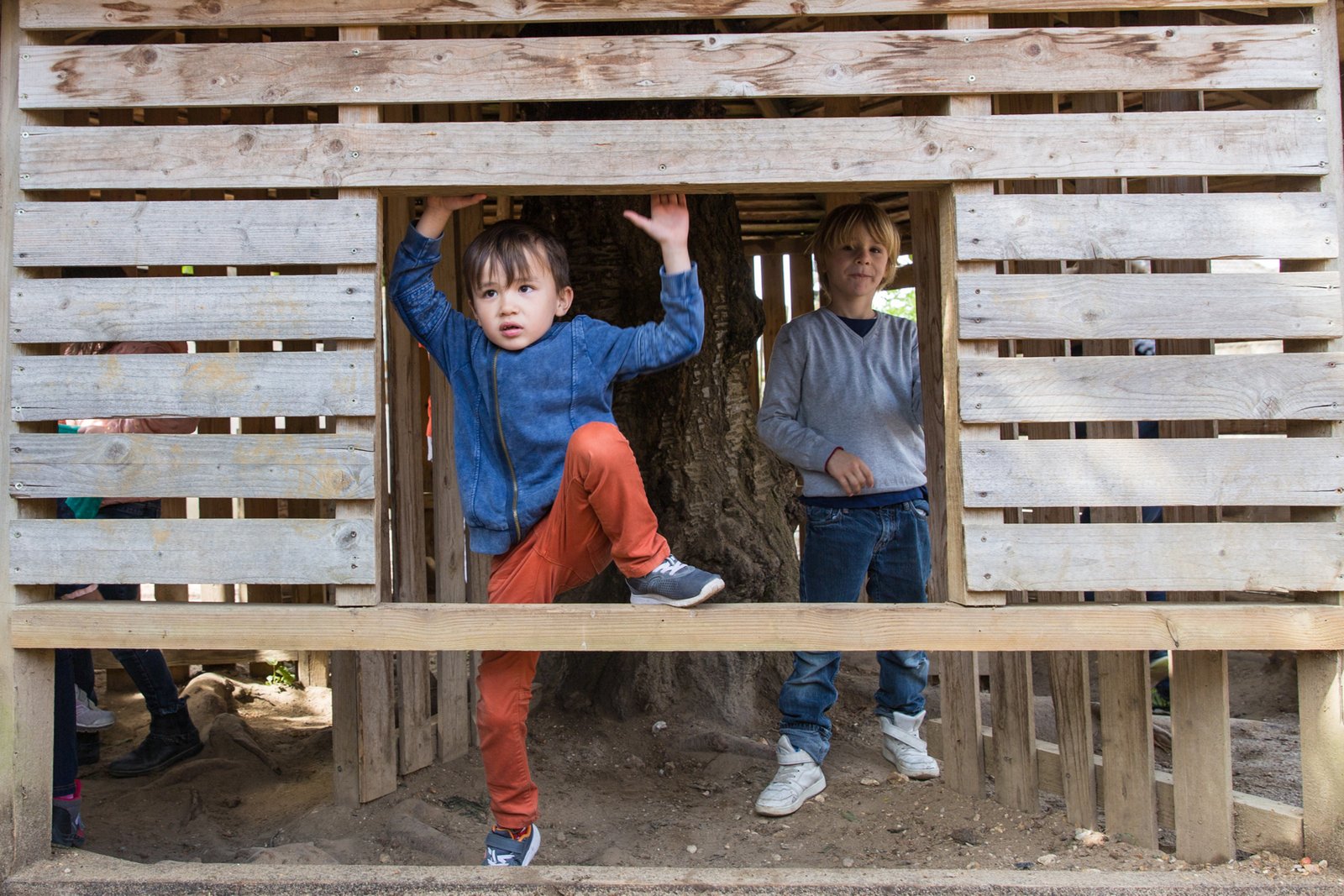
From nursery school through to the baccalauréat, our teaching approach is based above all on respect for the individuality of each pupil. Convinced that each young person is unique, with his or her own pace, talents and way of learning, we place the pupil at the heart of our educational approach. Montessori teaching methods, consistently applied to all ages, encourage autonomy, self-confidence and personal commitment, so that everyone can develop their full potential and build their own path to success.
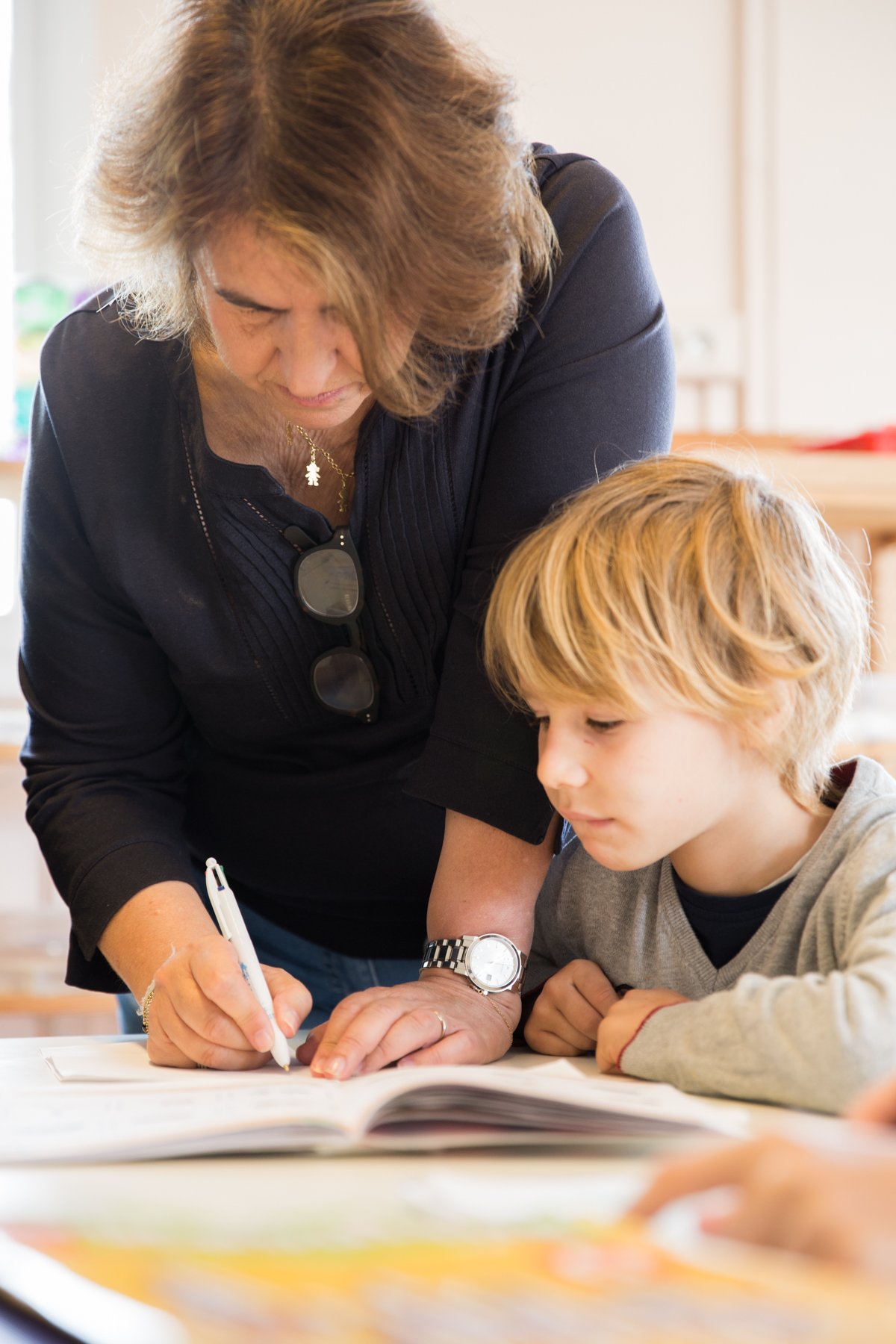
Caring is at the heart of the support offered by our educational team. Teachers are attentive, respectful and encouraging towards each pupil, which is essential for their development and success. In a climate of trust and attentiveness, the team strives to establish an educational relationship based on mutual respect, positive standards and personalised support, enabling each student to grow serenely and develop his or her full potential, from nursery school to the baccalauréat.
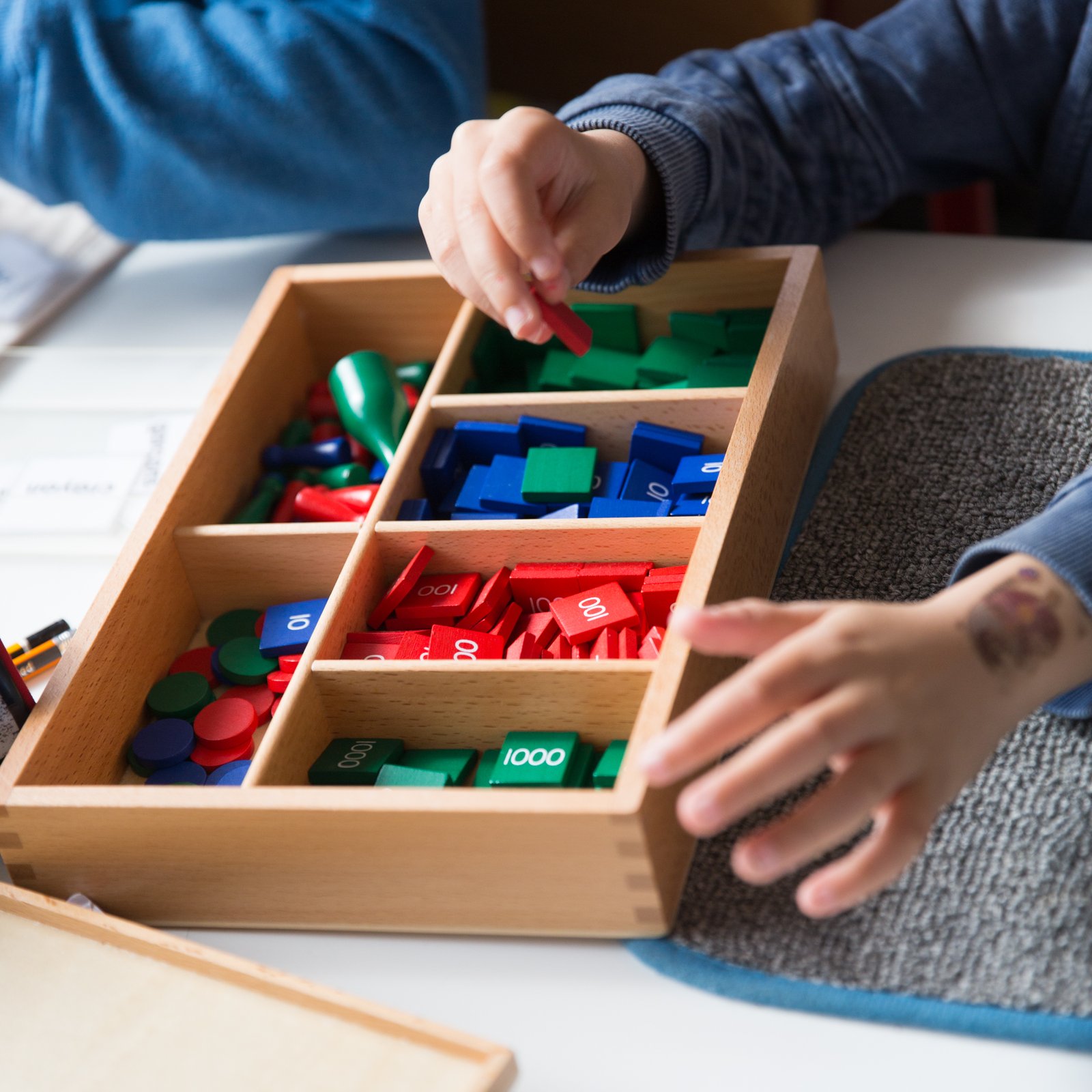
We pay particular attention to the quality of the educational environment, so that each student can learn in peace, remain fully themselves and develop their full potential. By fostering a climate of respect, tolerance and peace, the Montessori environment supports concentration, commitment and well-being, enabling everyone to grow and learn with confidence, from nursery school to the baccalauréat.