Starting at a Montessori school: what the first week at Athéna is really like
At Athena, an international bilingual Montessori school located in Bailly in the Yvelines (78), the start of the term does not begin with a curriculum to catch up on: it begins with establishing the right atmosphere. During the first few days, the team observes each pupil, guides them in finding their bearings and allows the class community to reform naturally. Sylvie d'Esclaibes, founder and educational director, looks back at this 2026 start of the term and answers the questions parents ask most often.
The essentials in 6 points
- Bilingual and international Montessori school, from nursery to sixth form, in Bailly (78), in the Yvelines department.
- Founded and directed by Sylvie d'Esclaibes, with over 35 years of experience in Montessori education.
- The only Montessori school in France to take pupils all the way to the French baccalauréat.
- Languages taught through immersion, in a daily international and multicultural environment.
- A new pupil settling in: some find their feet on the very first day, others need several days.
- Results: very good results in the national brevet diploma and the baccalaureate, with many students achieving a "Très Bien" grade.
What marked this first week of term
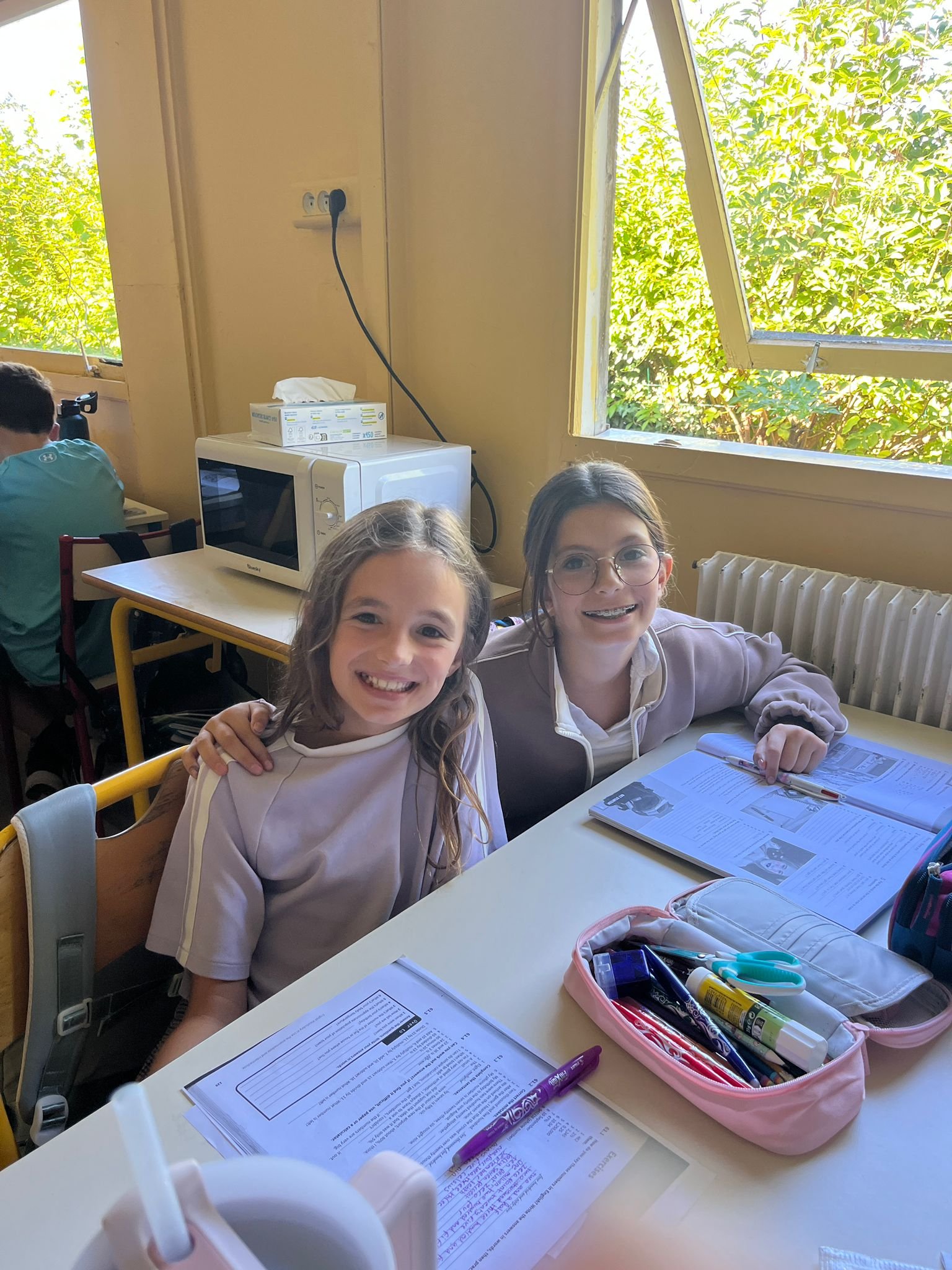
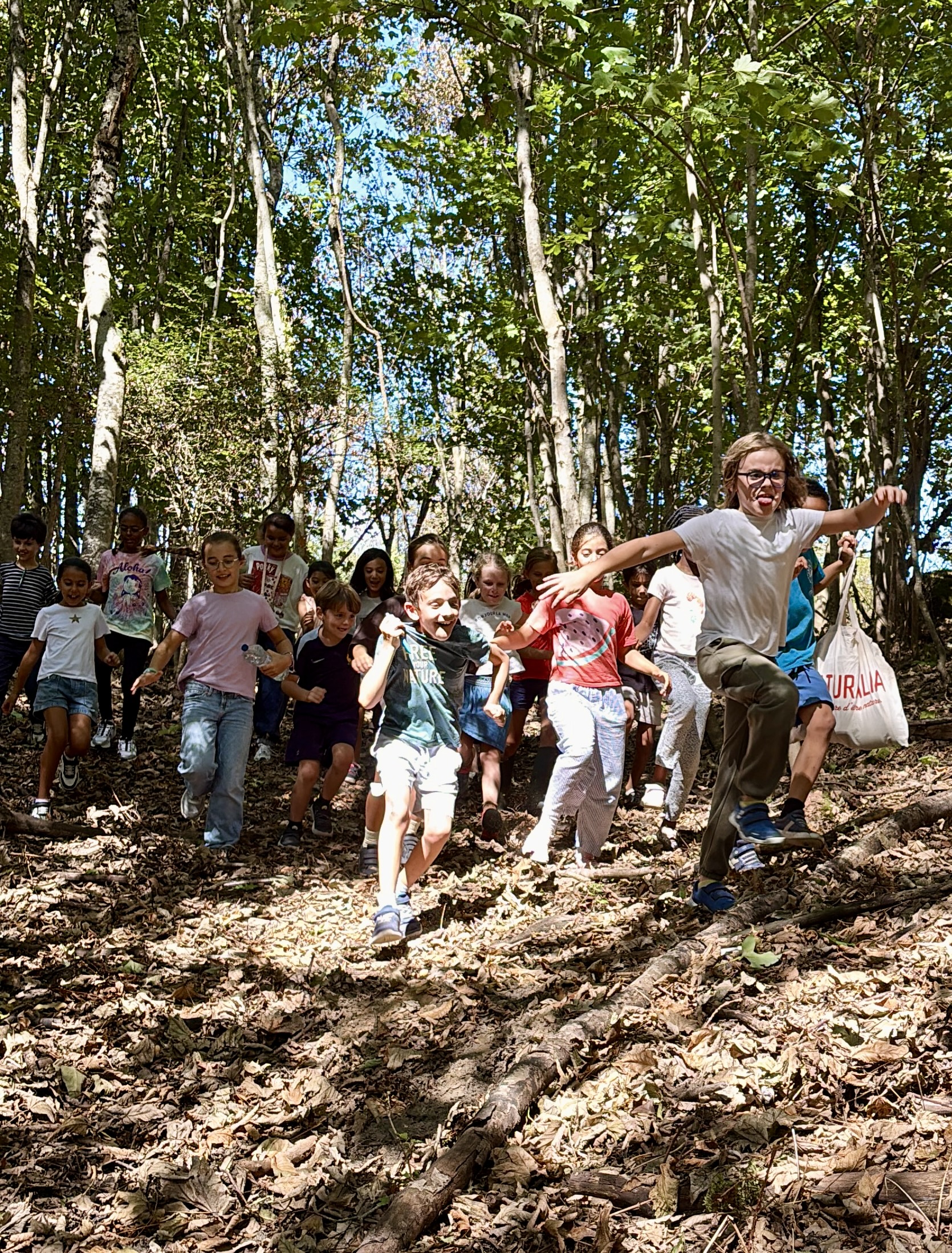
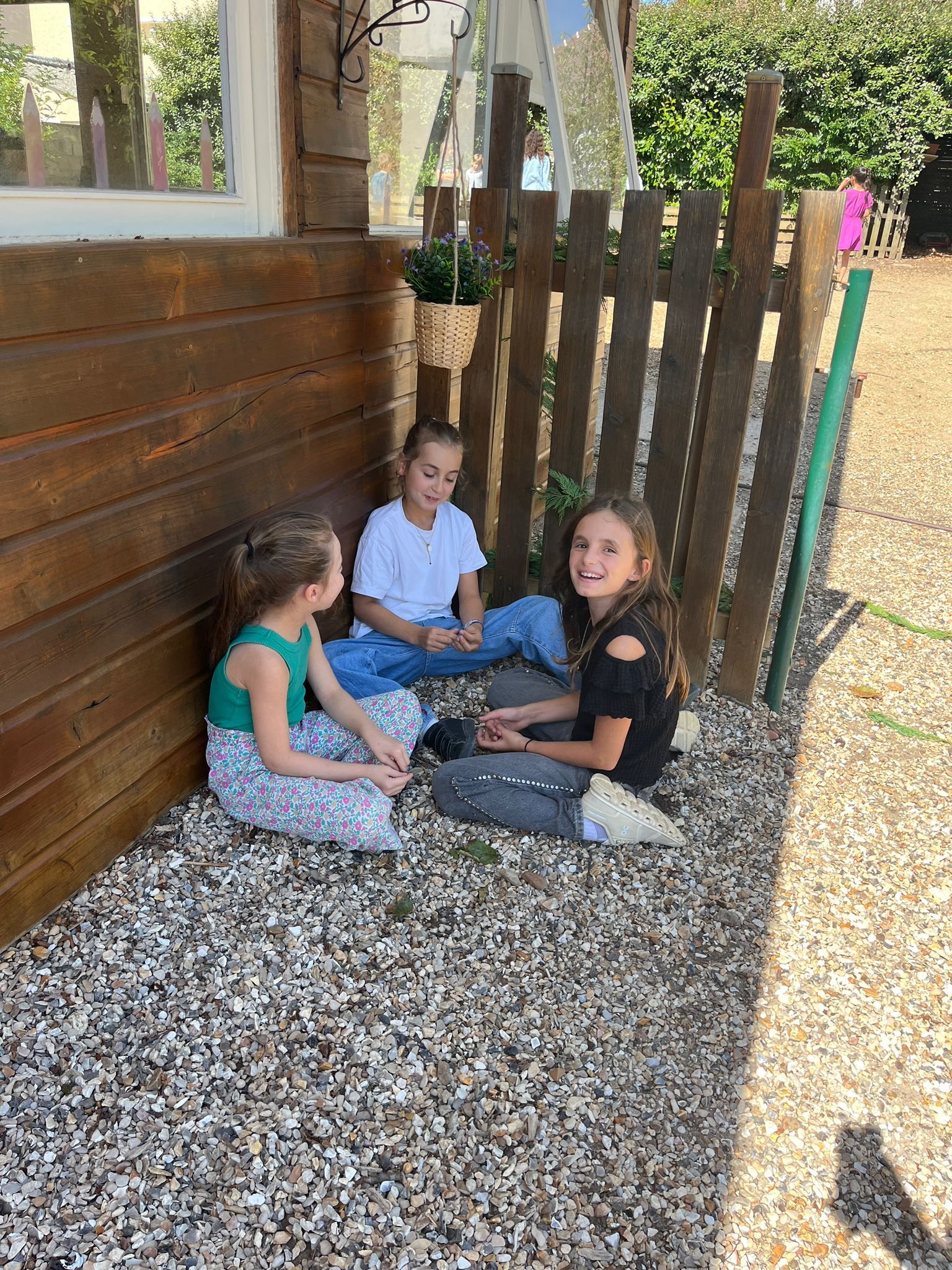
What strikes you first at Athéna is the morning reunion and the way former pupils welcome the new ones, spontaneously, without anyone needing to ask them.
«Seeing our former pupils return happily, some spontaneously telling us they couldn't wait for the start of term, is always a wonderful moment. Very quickly, with a great deal of natural charm, kindness and goodwill, they reach out to those arriving, integrate them and help them find their place.»
Sylvie d'Esclaibes, founder and educational director of Athéna
This year too, the school is welcoming pupils from very different backgrounds: from France, international schools, and multicultural backgrounds. More and more parents are questioning the limits of the traditional school system and are looking for a alternative school in the Yvelines which enables their child to acquire solid knowledge while developing their self-confidence, critical thinking and independence.
How does a Montessori start of term take place differently from a traditional one?
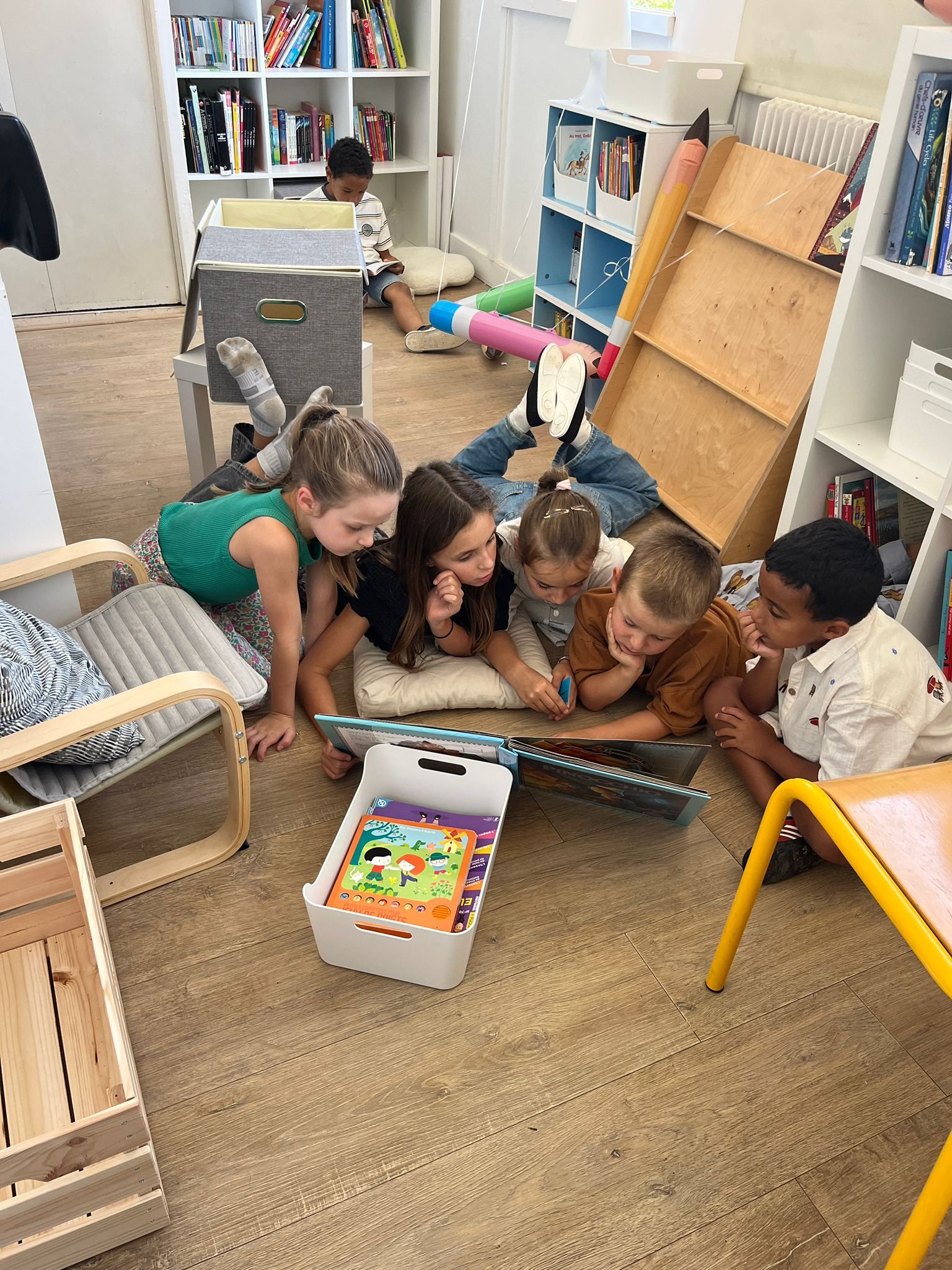
The main difference lies in the atmosphere established from the very first days: a serene and reassuring environment, in which each pupil can find their bearings at their own pace before getting into their learning.
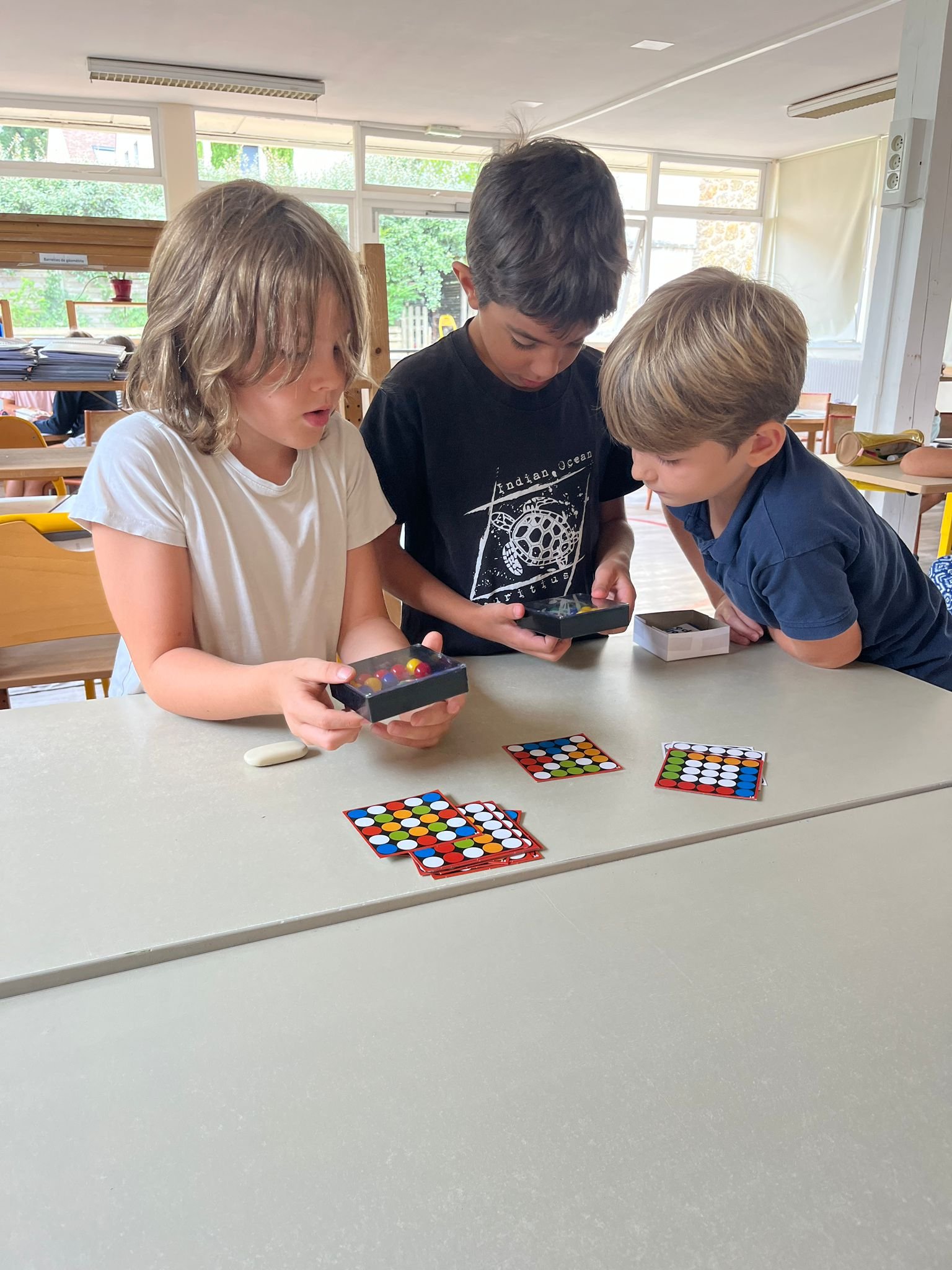
- The quality of the relationship comes before the pace of the programme. Every pupil must feel listened to, known and recognised for who they are, with their own strengths, personality and needs.
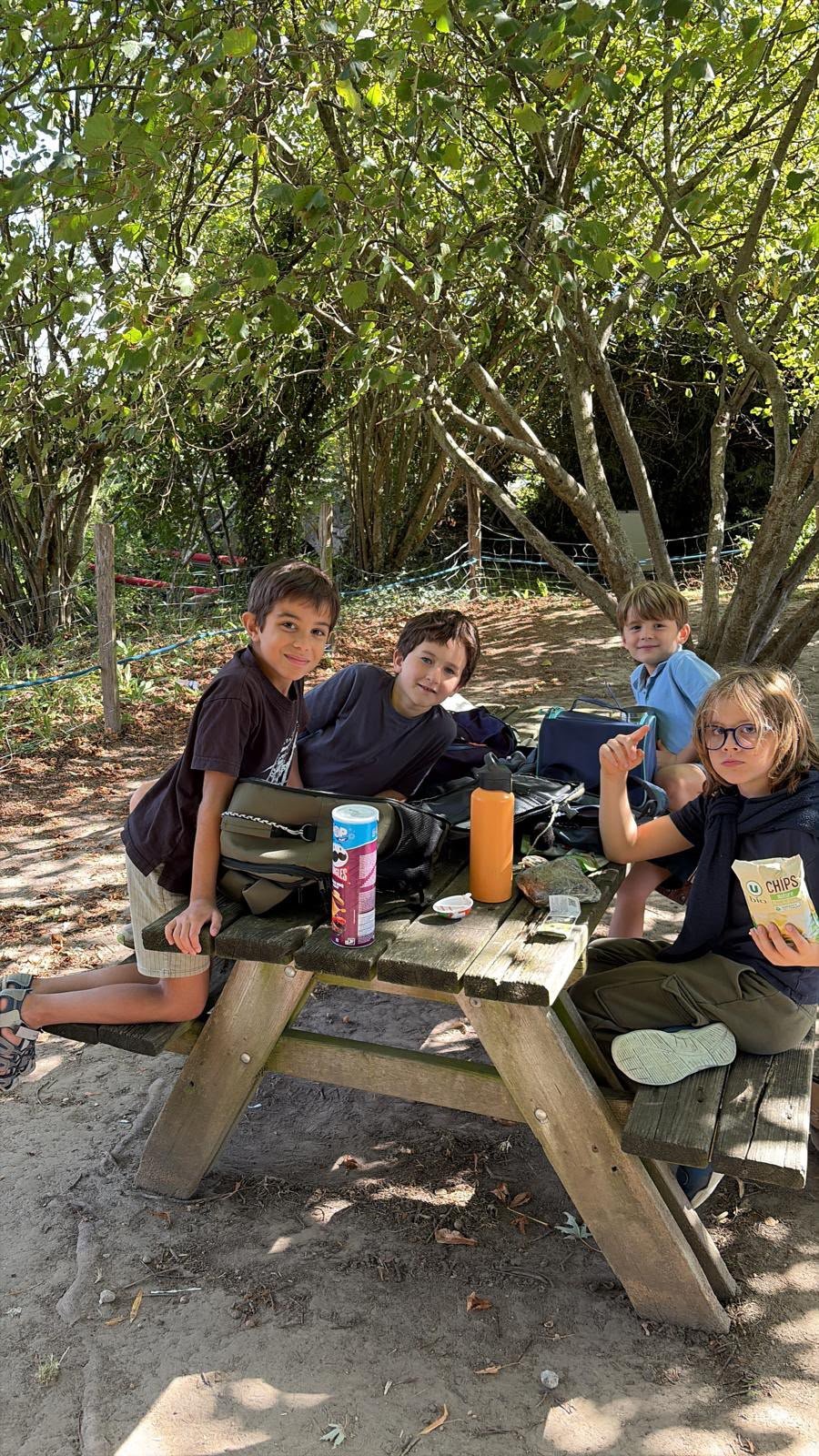
- Languages are experienced on a daily basis. Pupils interact with multiple languages, cultures and nationalities every day, which develops a genuine linguistic fluency.
- Observation replaces immediate evaluation. The team observes to understand the strengths of each individual, rather than trying to fit all the pupils into the same mould from the very first week.
«Kindness and high standards do not oppose each other; they reinforce one another. When a pupil feels safe, respected, encouraged and recognised for their abilities, they are more receptive to learning, making progress and giving of their best.»
Sylvie d'Esclaibes
How long does it take for a child to settle into a Montessori school?
There is no single timeframe. Some children take to their environment from the very first day, while others need several days. At Athéna, no uniform behaviour is expected by a fixed date: what matters is the building of lasting emotional security and a trusting relationship.
«We observe the children a great deal, particularly at the outset. We do not seek to immediately obtain uniform behaviour. What matters is building lasting emotional security and a trusting relationship.»
Sylvie d'Esclaibes
This is true from the Montessori bilingual nursery, where starting school is largely based on individual routines and pacing, much like at Montessori secondary school for a teenager arriving from a mainstream school.

Does a Montessori pupil really acquire the expected standard?
Yes, and that is the second most frequent question from parents. The freedom and autonomy observed in the classrooms do not mean an absence of boundaries or high standards: learning is structured, monitored and individualised, with clear academic goals. Pupils prepare for and take national exams, with very good results in the national brevet diploma and the baccalaureate, and many pupils achieving a "Très Bien" distinction.
Today, Athéna has over 35 years of hindsight on this point. Every year, students continue their studies in the post-secondary institutions corresponding to their first choice, both in France and abroad (see what our former students are up to). The exam results and the testimonials from parents and alumni detail these journeys.
It is this continuity that makes the particularity of that prepares from Athena: a pupil can follow the Montessori method from their early years right through to the French baccalauréat, without any break in the method upon entering secondary school.
«Our goal is therefore not simply to prepare pupils for the next exam. We want to give them the knowledge, the confidence and the tools that will enable them to choose their future rather than have it thrust upon them.»
Sylvie d'Esclaibes
And what if my child is very advanced, or struggling in a subject?
This is precisely what individualised learning makes possible. A child or teenager does not progress at the same pace in every subject, and the organisation of classes takes this into account: there is neither artificial holding back for the one who can go further, nor is a pupil left to struggle because they need more time or a different way of approaching a concept.
«Our role consists in knowing each pupil well enough to offer them, at the right moment, what they need to progress and succeed.»
Sylvie d'Esclaibes
What is changing at Athena this year
The method itself doesn't change: it has been proven for over 35 years. What is renewed each year are the experiences offered to the pupils.
A new humanitarian trip
Breaking away from one's daily routine, meeting others and making oneself useful develops empathy, independence and a sense of responsibility.
Cambridge and Dublin
Curriculum-linked school trips so that languages, history and culture become lived experiences rather than just knowledge learnt in the classroom.
Days out for younger children
Museums, and historical, scientific and natural sites accessible from the Yvelines and the Paris region, to spark curiosity from a very young age.
The worry that comes up most often among parents who are hesitating
Behind most questions lies the same one: «Will my child really be prepared for what comes next?» Some parents still associate Montessori with a very free-spirited educational approach and worry that a child who is happy at school will not be sufficiently challenged academically. For Sylvie d'Esclaibes, this is a false dichotomy.
«We can demand a lot of a child without constantly setting them up to fail, without constantly comparing them to others and without making them lose confidence in themselves. Our ambition is precisely to combine the two: fulfilment and success.»
Sylvie d'Esclaibes
For families who are still hesitating, the answer is always the same: come and see. Watching children and teenagers who are focused, independent and happy to learn makes you understand in one hour what a text struggles to explain.
Frequently asked questions from parents at the start of the new term
How long does it take for a new pupil to settle in?
That depends on each child: some take to their environment from the very first day, while others need several days. The team carefully observes each new pupil at the beginning, without expecting uniform behaviour from them, in order to first build emotional security and a trusting relationship.
Can a child who has never experienced Montessori enrol in the school mid-term?
Yes. Every year, Athena welcomes pupils from very diverse backgrounds: from France, international schools and multicultural backgrounds. Former pupils play an important role in this welcome and the new class community is formed very quickly.
Is Montessori education compatible with national curricula and examinations?
Yes. The learning is structured, monitored and individualised, with clear academic objectives. Athena students prepare for and sit the national brevet diploma and the baccalaureate, with very strong results and numerous 'Très Bien' honours.
What happens if my child is ahead or struggling in a subject?
Individualised learning allows the pace to be adapted subject by subject. A pupil who is able to go further is not held back, and a pupil who needs more time or a different approach is supported differently.
How to visit the Athéna Montessori school before enrolling your child?
Sylvie d'Esclaibes routinely invites parents who are hesitating to come and meet the team and discover the school in Bailly, in the Yvelines department. Visit requests can be made via the contact page on the website.
Come and see the school before deciding
The best way to understand what goes on in a Montessori classroom is to see it in action. We welcome families in Bailly, in the Yvelines department (78).
Book an appointment for a viewingSee also: Tuition fees.