Athéna is a French-English bilingual school located in Bailly, in the Yvelines département (78), ten minutes from Versailles. Since 1991, we have been welcoming children from the age of 2 and supporting them all the way through to the French baccalaureate, in classes of a maximum of fifteen pupils.
Our approach to bilingualism is not based on hours of English classes added to a French curriculum, but on teaching delivered in both languages, by teachers who each speak in their mother tongue.
The difference between a bilingual school and a school that teaches English well comes down to one thing: in a bilingual school, English is not a subject on the curriculum; it is the language of instruction.
At Athéna, from nursery school onwards and throughout primary school, children have the same number of lessons in French as in English. In practice, four half-days are taught in French and four in English, spread over two mornings and two afternoons to balance out the children’s concentration spans.
Each teacher teaches in their mother tongue. Pupils study language, mathematics (in nursery school), geography, science and art in both languages.
This is what allows a child who started at age 2 to acquire English as a second mother tongue, without any conscious learning effort.
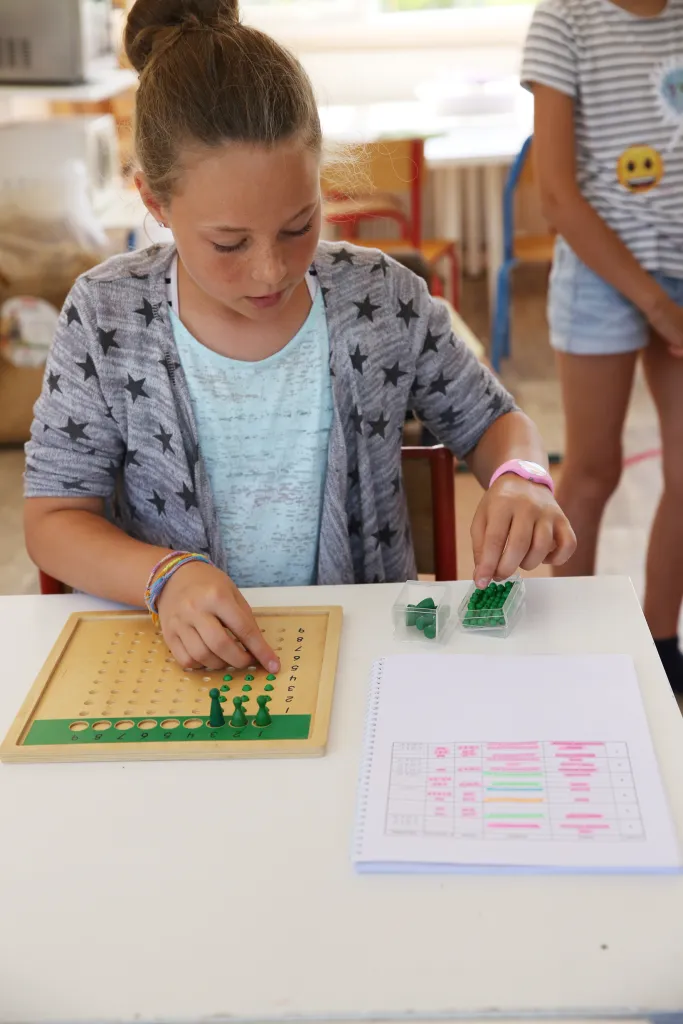
Many parents ask us the same question: what happens to bilingualism after primary school?
Here is the actual route, stage by stage.
Four half-days in English, four in French, with native English-speaking educators. By the end of reception, the majority of children are reading in both French and English.
The 50/50 rhythm is maintained. Pupils prepare for the Cambridge Young Learners exams and sit them as soon as they are ready, following agreement with the family.
The programme is structured to provide a minimum of six hours of English per week, with ongoing preparation for the Cambridge exams. Support is tailored to each pupil’s level and pace.
The level achieved is reflected in Cambridge certifications and in application files for French and foreign universities.
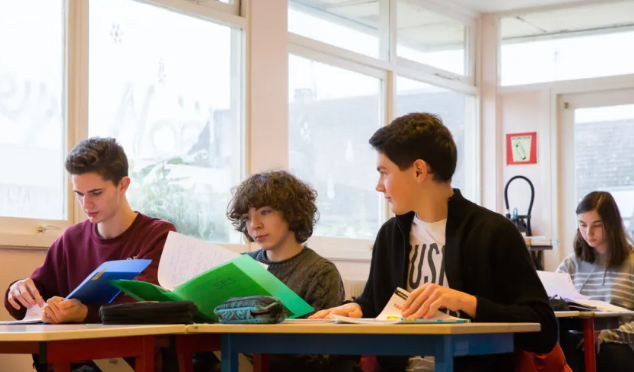
Athéna is a Cambridge examination centre. Our pupils sit their exams here, in a familiar environment.
These certifications are recognised internationally by universities and employers. For a family, it is tangible proof that the advertised bilingualism translates into a real-world level.
A maximum of fifteen pupils per class. This is essential for an immersion programme to work: in a larger group, the children who feel least at ease retreat into silence, and the immersion programme achieves nothing.
The school welcomes families of many nationalities. Global festivals punctuate the year: Halloween, Thanksgiving, Christmas, St Patrick's Day, Holi, Chinese New Year, and others depending on the cultures represented in the school.
Bilingualism continues outside of school hours, with an English club on Wednesdays and during the first week of the holidays, which is also open to children who do not attend the school.
Discover the full journey, from the bilingual nursery school at the'elementary, and then some and Challenging ouch secondary school.
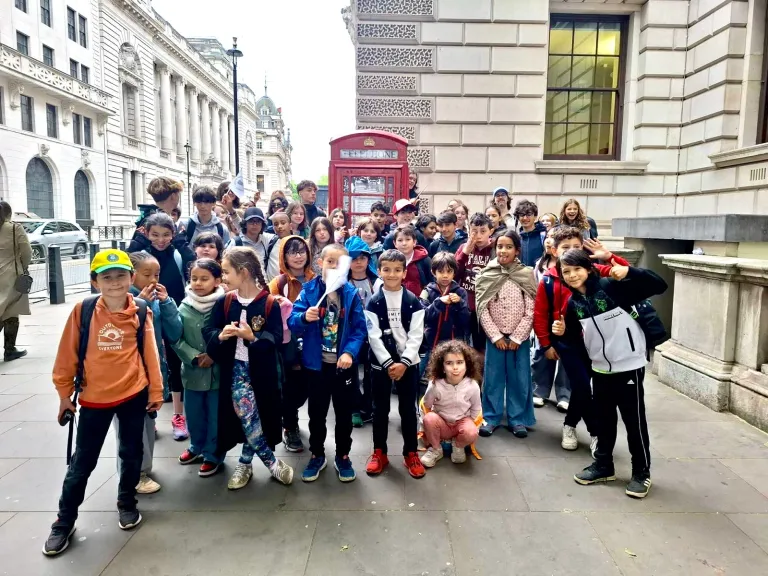
The school is situated at 29 Rue de Noisy, in Bailly (78870), in the Yvelines.
We welcome families from across the western Île-de-France region. The Transilien T13 line serves Bailly from Saint-Germain-en-Laye and Saint-Cyr.
We reply within 48 hours and arrange a school visit with you.
Contact usAre you preparing your enrolment application? Consult our Tuition fees or read the family testimonials.